Acrylic fabric bonding is an industrial process that joins acrylic canvas, awning, and marine fabrics using heat-activated adhesive tape — creating seams that are stronger, more durable, and leak-resistant compared to traditional sewing.
Miller Weldmaster todas las fases del proceso de unión: cómo se comporta el tejido acrílico bajo el calor, qué método de soldadura se adapta mejor a su volumen de producción, en qué se diferencian las costuras unidas de las cosidas, y cómo evitar los fallos de unión más habituales. Tanto si regenta un pequeño taller de toldos como una línea de producción a gran escala, la información aquí recogida le servirá de guía directa a la hora de tomar una decisión de compra.
Acrylic fabric cannot be thermoplastic-welded like PVC because it does not melt and re-fuse — bonding with heat-activated adhesive tape is required instead.
Hot air, hot wedge and impulse welding methods can all activate acrylic bonding tape to create strong, durable seams.
Las costuras acrílicas adheridas eliminan la decoloración del hilo, las fugas por los agujeros de la aguja y la corta duración del hilo: los tres puntos de fallo más habituales al coser lonas acrílicas.
El control de los procesos —temperatura, presión y velocidad de la máquina— es el factor principal que determina la resistencia y la uniformidad de las costuras en los entornos de producción.
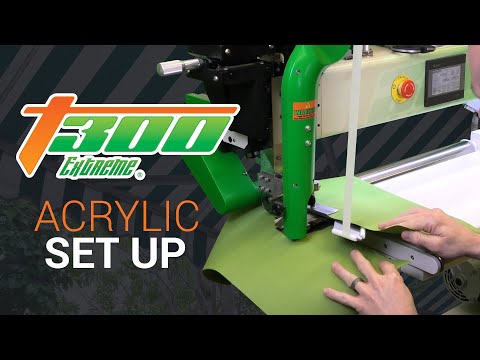
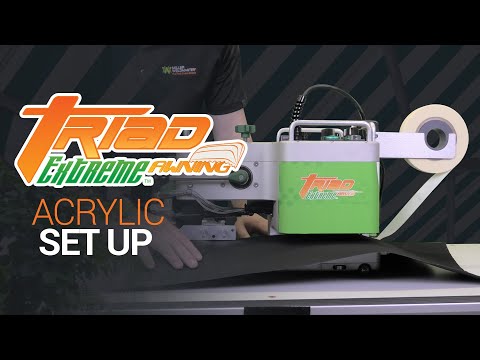
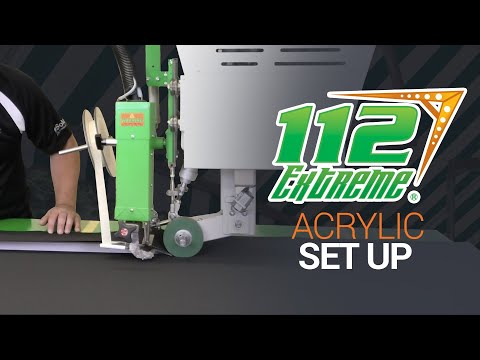
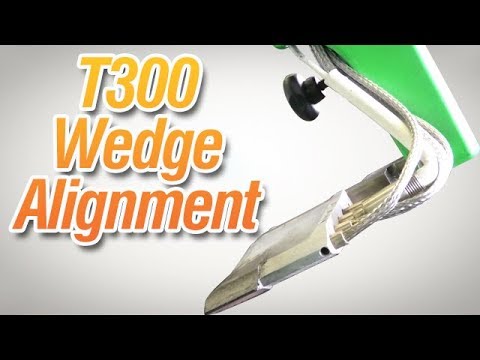
Miller Weldmaster máquinas especialmente diseñadas para la unión de acrílicos, entre las que se incluyen los modelos T300 Extreme, Triad Extreme y 112 Extreme.
¿Qué es la soldadura de tejidos acrílicos?
The industrial process of permanently joining two or more pieces of acrylic fabric using a heat-activated adhesive tape, applied through a controlled welding machine. The result is a seam that is fully sealed, weather-resistant, and structurally superior to traditional sewn seams for most outdoor and marine applications.
Unlike PVC or polyurethane fabrics that melt and re-fuse under direct heat, acrylic fabric needs a heat-activated adhesive tape as the bonding agent — not raw heat — to create a permanent seam. Understanding this distinction is the starting point for anyone selecting a machine or setting process parameters for acrylic production.
¿Por qué el tejido acrílico no se puede soldar como el PVC?
The core technical distinction: acrylic is a woven synthetic fiber, not a thermoplastic film. PVC and polyurethane fabrics melt under heat and re-fuse when pressure is applied — that is what direct thermoplastic welding exploits. Acrylic fabric does not behave this way. Apply direct heat without an adhesive and you risk glazing or scorching the surface without creating any seam bond. This is the most common misunderstanding buyers bring to the conversation, and it matters because it affects machine selection, tape selection, and every process parameter setting in production.
How Acrylic Adhesives Work
El proceso de unión térmica utiliza una cinta adhesiva laminada —con un adhesivo resistente por ambas caras— que se coloca entre las dos piezas de tejido acrílico. La máquina de soldadura aplica calor para activar el adhesivo, y la presión ejercida por los rodillos y las barras de unión fija la unión. Siga esta secuencia en cada ciclo de producción:
- Position laminated bonding tape between the two acrylic fabric pieces, fully seated within the seam allowance.
- Apply controlled heat via the welding method — hot air, hot wedge or impulse — to activate the adhesive at the correct temperature range for acrylic.
- Apply pressure through bonding rollers and bars to consolidate the seam and ensure full contact between the tape adhesive and both fabric surfaces.
- Allow cooling before handling to achieve full bond strength. Pulling a seam before it has cooled is one of the most common causes of weak seams.
Properties of Acrylic Fabric
El acrílico se cotiza a un precio superior en los mercados de toldos, náutica y fabricación de productos para exteriores por razones específicas relacionadas con su rendimiento. Esas mismas propiedades que lo hacen tan valioso también hacen que una unión adecuada sea fundamental: una costura defectuosa en un producto de acrílico afecta al rendimiento del tejido, y no solo al proceso de fabricación.
- Resistencia a los rayos UV: resiste la decoloración y el deterioro de la superficie provocados por la exposición prolongada al sol; esta es la razón principal por la que los fabricantes de toldos y de productos náuticos lo recomiendan.
- Absorción de la humedad: aleja la humedad de la superficie sin absorberla, lo que permite mantener la integridad estructural en entornos húmedos.
- Resistencia al aceite y a los productos químicos: ofrece un rendimiento fiable en entornos industriales y marinos donde hay contaminantes.
- Alta tenacidad y resistencia a la tracción: soporta la tensión en los armazones de toldos y estructuras de sombra sin estirarse ni combarse.
- Resistencia a la intemperie: mantiene la integridad estructural en condiciones de temperaturas extremas, desde el frío del almacenamiento invernal hasta la exposición directa al sol en verano.
Acrylic Fabric Bonding Methods: Comparing Hot Air, Hot Wedge and Impulse Welding
Choosing the right bonding method for acrylic fabric comes down to three variables: your production volume, your typical seam geometry, and the weight of the acrylic material you run. Each method activates the same heat-activated adhesive tape — what differs is how the heat is delivered and how fast the machine can move through a seam. The table below maps each method to the production context it serves best.
The most important thing to understand about the table below: none of these methods involve melting the acrylic fabric itself. Every row describes a mechanism for activating the adhesive tape. The fabric stays intact. The bond forms between the tape and the fabric surface, not between two fabric surfaces fused together.
Machine Settings for Acrylic Bonding: Temperature, Pressure, and Speed
Acrylic fabric requires a lower heat band than vinyl or PVC. The exact range depends on the specific acrylic blend and coating weight, but the guiding principle holds across materials: if you can see surface glazing on the fabric face, the temperature is too high. Reduce heat before increasing speed to compensate.
La velocidad es importante porque el tiempo de exposición —el tiempo que el tejido permanece expuesto al calor en el punto de unión— determina directamente la cantidad de energía que absorbe el adhesivo. Si se trabaja a demasiada velocidad a la temperatura adecuada, el adhesivo no se activa lo suficiente. Si se trabaja demasiado lento a la temperatura adecuada, se corre el riesgo de que se queme. El equilibrio adecuado se determina mediante una costura de prueba, no mediante un cálculo.
Los ajustes de presión influyen en la calidad del contacto del adhesivo activado con ambas superficies del tejido. Si la presión es insuficiente, la fijación será incompleta, sobre todo en los bordes de las costuras. Por el contrario, una presión excesiva sobre un lienzo acrílico ligero puede deformar el tejido y provocar defectos estéticos en los productos acabados.
Antes de iniciar cualquier ciclo de producción con un nuevo lote de tejido —o tras cualquier cambio en la configuración de la máquina—, realice una costura de prueba en un retal del mismo material y lleve a cabo una prueba de desprendimiento antes de dar el paso. Los especialistas en aplicaciones Miller Weldmaster pueden asesorarle sobre los parámetros iniciales para su tejido específico y su modelo de máquina.
| Método | Cómo funciona | Mejor para | Velocidad | Aspectos clave a tener en cuenta |
|---|---|---|---|---|
| Soldadura por aire caliente | Controlled hot air stream activates adhesive tape between fabric layers | Costuras rectas, producción de toldos de volumen medio-alto | De moderado a rápido | El control de la temperatura es fundamental: si es demasiado alta, se produce un efecto de vitrificación en la superficie del acrílico |
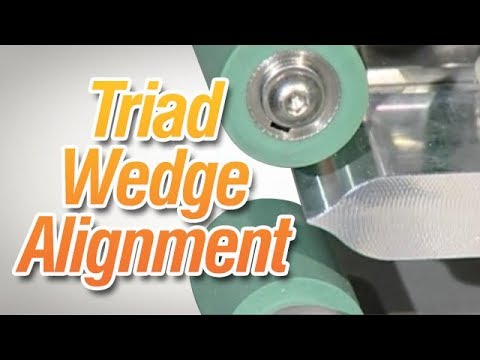
| Soldadura por cuña en caliente | Una cuña metálica calentada entra en contacto directo con las capas de tejido para activar la unión de la cinta | Costuras largas y continuas sobre lienzo acrílico de mayor gramaje | Rápido para series continuas | Requiere una alineación precisa de las cuñas; la preparación es más lenta para tiradas cortas |
| Soldadura por impulsos | Un breve pulso de calor controlado a través del elemento de sellado activa la unión de la cinta | Costuras más cortas, talleres de menor volumen, geometrías de costura variadas | Más lento por ciclo, flexible | Un tiempo de reposo constante es fundamental para obtener una resistencia repetible de la costura |
Acrylic Fabric Bonding vs. Sewing: Why Industrial Manufacturers Are Making the Switch
Sewing has been the standard joining method for acrylic canvas for decades. It works — up to a point. At production scale, and across the service life of outdoor and marine products, three specific failure modes consistently push fabricators toward bonded seams. Understanding each one helps explain why the switch from sewing to bonding is not just a process upgrade but a warranty and quality management decision.
The Hidden Costs of Sewing Acrylic: Thread Fade, Needle Holes, and Rework
La decoloración del hilo es el primer tipo de fallo. El tejido acrílico está diseñado para resistir los rayos UV: conserva el color y la integridad estructural tras años de exposición directa al sol. El hilo, en cambio, no. El hilo de poliéster o nailon utilizado para coser la lona acrílica se degrada más rápido que el propio tejido. El resultado es una discrepancia muy llamativa: hilo descolorido que atraviesa un tejido intacto. Para los talleres de toldos con obligaciones de garantía, la decoloración del hilo es un motivo de reclamación, no solo un problema estético.
Las fugas por los agujeros de la aguja constituyen el segundo tipo de fallo. Cada puntada crea una perforación en el tejido. Cuando el hilo es nuevo y no se ha degradado, rellena el agujero y mantiene una resistencia al agua aceptable. A medida que el hilo se debilita por la exposición a los rayos UV, los agujeros se abren. El agua se infiltra por la línea de costura, precisamente el tipo de fallo que un producto para actividades al aire libre o náuticas está diseñado para evitar.
Rework costs compound both problems. Re-sewing an acrylic seam requires removing the old thread, resetting the sewing machine, and running the seam again — with a real risk that the needle holes from the first pass compromise the repair. Running the same seam through a bonding machine after initial validation takes a fraction of the time. At production scale, the labor differential adds up to a meaningful cost per linear foot.
Resistencia de la unión: resultados del acrílico adherido frente a la costura
The industry benchmark for awning and marine seams is 60–80% of base fabric tensile strength. A seam below that range is a warranty risk; a seam at or above it holds for the product's expected service life. Properly bonded acrylic seams with correctly specified heat-activated tape consistently reach this benchmark — and maintain it throughout the product's life because the bond is not subject to UV degradation the way thread is.
Las costuras cosidas pueden alcanzar inicialmente unos valores de resistencia similares. La diferencia se nota con el paso del tiempo. A medida que el hilo se degrada, la resistencia de la costura disminuye. Una costura adherida no sufre ese proceso de degradación. Para los fabricantes que respaldan sus productos con garantías de varios años, la costura adherida es la opción que presenta menos riesgos.
| Issue | Costuras de acrílico cosidas | Juntas acrílicas adheridas |
|---|---|---|
| Estanqueidad de las juntas | Se daña con los agujeros de las agujas; se degrada con el tiempo debido a la exposición a los rayos UV | Fully sealed seam — no needle holes, watertight throughout service life |
| El hilo se va desvaneciendo con el tiempo | El hilo pierde color y resistencia antes de que la tela se rompa | Sin hilos: el aspecto de la costura se mantiene durante toda la vida útil del tejido |
| Fugas por agujeros de aguja | Cada puntada es una perforación; la situación empeora a medida que el hilo se debilita | Eliminated — adhesive tape fills and seals the seam line |
| Velocidad de producción | Requiere mucha mano de obra; depende de la destreza del operario y del enhebrado de la máquina | Rendimiento constante; los ajustes de la máquina garantizan un resultado repetible |
| Índice de reelaboración de costuras | Volver a coser lleva mucho tiempo y puede ser necesario cambiar la tela | Las repeticiones de trabajo son mínimas cuando los parámetros del proceso se ajustan correctamente |
| Coste de mano de obra por metro lineal | Mayor — coste del hilo, cambios de aguja, tiempo de inactividad del operario | Reducir a escala de producción una vez que se hayan validado los ajustes |
Ámbitos de aplicación de la unión de tejidos acrílicos: sectores y aplicaciones
Los sectores que utilizan lonas acrílicas comparten una condición operativa común: la exposición prolongada a los rayos UV, la humedad y las tensiones mecánicas. Esas condiciones son precisamente las que hacen que los fallos de costura sean más graves, y que las costuras selladas resulten más valiosas. A continuación se enumeran los principales sectores a los que Miller Weldmaster soluciones de sellado acrílico.
Toldos y estructuras de sombra
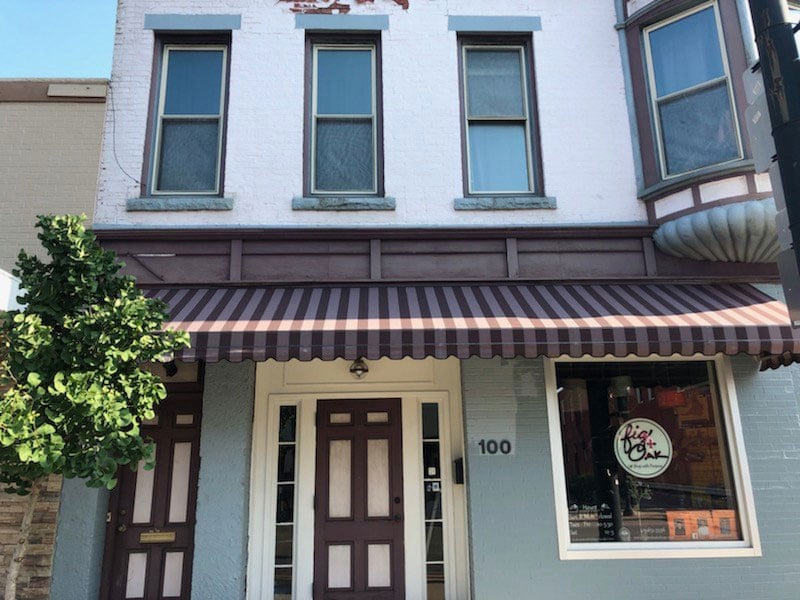
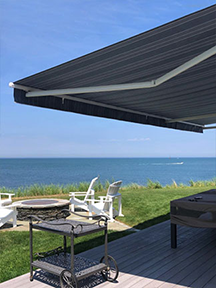
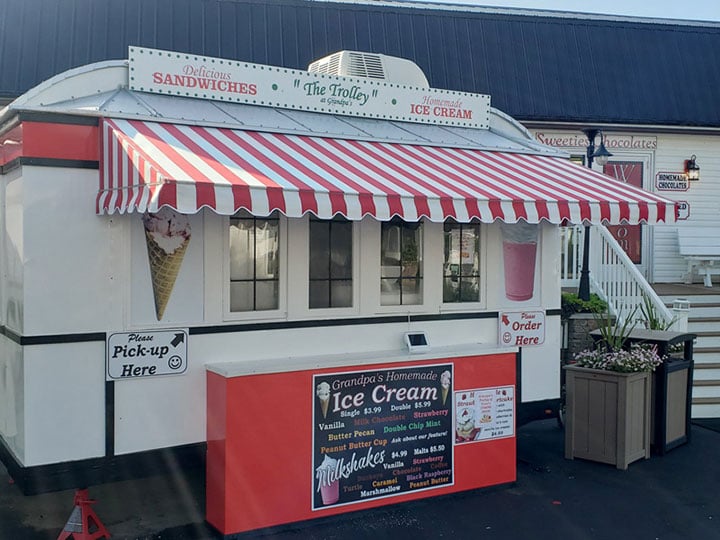
Awning fabrication is one of the main applications for acrylic fabric bonding. A commercial awning stays under UV and rain load for years before it is replaced, and sewn seams often show thread fade and needle hole leaks long before the fabric itself fails, which leads to customer callbacks and warranty claims.
Bonded seams address both failure modes. The awning keeps sealed seams through its service life, the fabricator handles fewer callbacks, and seam quality becomes a selling point when bidding commercial projects. See how four Miller Weldmaster machines transformed production at Lehr Awning in our acrylic awning case study.
Lonas marinas y fundas para embarcaciones
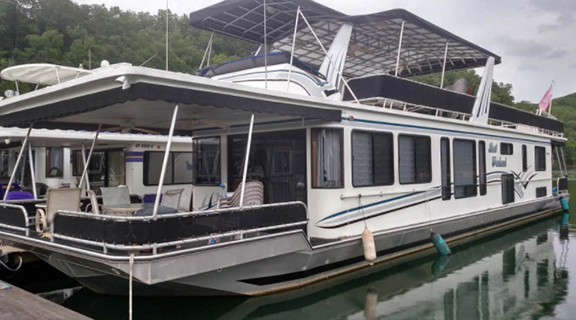
Las aplicaciones náuticas añaden la sal marina y la flexión constante a la exposición a los rayos UV y a la humedad a la que ya se enfrentan los toldos. Esas condiciones aceleran la degradación de los hilos más rápidamente que en cualquier otro entorno: un producto de lona náutica cosida puede presentar fugas en las costuras en tan solo una temporada de navegación en condiciones de alta radiación UV y salpicaduras de agua salada.
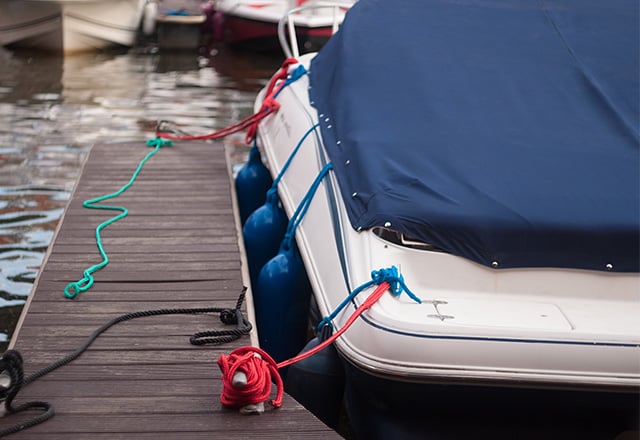
Bonded seams maintain watertight integrity across the flex cycles and chemical exposure that marine environments impose. Bimini tops, boat covers, and dodgers are the most common marine products where fabricators make the switch from sewing to bonding — and where the quality difference is most visible to the end customer.
Ocio al aire libre y mobiliario
Las fundas para muebles de jardín, las cubiertas de sombrillas y las fundas para cojines de exterior están sometidas a la misma exposición a los rayos UV y a la humedad que los toldos, pero además deben cumplir con un requisito estético para el consumidor. La costura es visible. Las costuras cosidas en los productos de mobiliario de exterior de alta gama presentan descoloramiento del hilo y líneas de puntada irregulares que transmiten al comprador una sensación de falta de calidad, independientemente de si la costura se ha roto realmente.
Las costuras selladas presentan un acabado impecable: no se ve la línea de costura ni se aprecia decoloración del hilo. Para los fabricantes que posicionan sus productos en el segmento de gama alta del mercado del ocio al aire libre, la ventaja estética de las costuras selladas es tan importante desde el punto de vista comercial como la ventaja estructural.
Aplicaciones industriales especializadas
Beyond traditional outdoor and marine applications, acrylic fabric bonding serves filtration bags, protective covers, and custom industrial enclosures where chemical resistance and seam integrity under mechanical stress are non-negotiable requirements. In these applications, a sewn seam is often disqualified from the specification outright — the perforation risk is incompatible with the containment requirement. Bonded acrylic seams provide the fully sealed surface these applications demand.
Choosing the Right Machine for Acrylic Fabric Bonding
La máquina adecuada para su operación depende de tres variables: la cantidad que produce por turno, las geometrías de costura que requieren sus productos y el gramaje del tejido acrílico que utiliza. El cuadro que figura a continuación relaciona esas variables con las categorías de máquinas Miller Weldmaster . Considérelo como un punto de partida para la conversación con un especialista en aplicaciones, no como una especificación definitiva.
Match the Machine to Your Production Volume
Operaciones de bajo volumen y en talleres pequeños
For shops bonding shorter runs, varied seam geometries, or a wide mix of acrylic products, impulse welding is typically the right starting point. The lower capital cost matches the production profile, and the flexibility to handle different seam lengths without major setup changes suits shops where no two jobs are identical.
Output profile: impulse machines handle seam lengths from a few inches to several feet, with cycle times that match manual-feed production paces. The key process variable is dwell time — the duration of the heat pulse. Getting that right for your specific tape and fabric combination is a one-time calibration that then produces consistent seams across the run.
Fabricantes de toldos y productos náuticos de volumen medio
Awning shops and marine canvas fabricators producing at mid-volume — regular production schedules, consistent fabric weights, and long continuous seam requirements — are the natural fit for hot air and hot wedge welding machines. Continuous seam production at consistent speeds is where these machines outperform impulse alternatives on a cost-per-linear-foot basis.
The T300 Extreme and 112 Extreme are Miller Weldmaster's purpose-built solutions for this production profile. Both are calibrated for acrylic bonding — the temperature range, pressure systems, and feed mechanisms are designed for the lower heat requirements and precise speed control that acrylic fabric demands.
Líneas de producción automatizadas y de gran volumen
Manufacturers producing at scale — where the cost of machine downtime and seam rework is measured in production hours, not individual jobs — need machines with higher throughput and automation capability. High-speed hot air and hot wedge machines and automated bonding systems address that requirement.
The Triad Extreme and Miller Weldmaster's custom automation options serve this segment. The focus at this production level is not just machine capability but system integration: how the bonding station fits into the broader production line, what upstream and downstream handling looks like, and how quality control is built into the process rather than applied after it.
Fallos habituales en la unión de acrílicos — Y cómo evitarlos
La unión acrílica produce uniones consistentemente resistentes cuando los parámetros del proceso se ajustan correctamente. Cuando no es así, el fallo casi siempre se debe a una de estas tres causas fundamentales: exceso de calor, presión insuficiente o ajustes inconsistentes a lo largo de una tirada de producción. Cada uno de estos fallos se puede prevenir.
Failure Mode 1: Surface Glazing or Scorching
Surface glazing occurs when the temperature setting is too high for the specific acrylic fabric being bonded. Acrylic coatings — particularly the solution-dyed finishes used on premium awning and marine canvas — are sensitive to excess heat. Glazing affects both seam appearance and bond strength, because the adhesive on the tape may over-activate and lose structural integrity before the seam is set.
Prevention: Run a test seam at the lower end of your temperature range before committing to a production run on any new fabric lot. If glazing appears, reduce temperature before increasing speed. Slower speed at a lower temperature is consistently more reliable than faster speed at a higher one for acrylic materials.
Failure Mode 2: Peel Failure at the Seam Edge Due to Surface Energy
Edge peel is the result of insufficient pressure during bonding, or adhesive tape that was not fully seated within the seam allowance before heat was applied. The center of the seam may bond correctly while the edges lift — a failure that becomes visible immediately on peel testing or, worse, in the field after installation.
Prevention: Verify tape placement before feeding material through the machine. Confirm pressure roller settings are within the recommended range for the fabric weight. After the first seam of any production run, conduct a 10-minute peel test — pull the seam apart by hand at the edge — before continuing. If the edge peels cleanly, adjust before proceeding.
Failure Mode 3: Bonding Inconsistency Across a Production Run
Run-to-run inconsistency is the hardest failure mode to diagnose because individual seams may look acceptable while aggregate seam strength varies. The two most common causes are machine settings that drift over a long production run — particularly temperature, which can creep as the machine reaches thermal equilibrium — and fabric lot variation, where different coating weights or acrylic blends require different parameter settings.
Prevention: Calibrate machine settings at the start of each shift, not just at initial setup. When switching to a new material lot, treat it as a new material — run a test seam and validate before full production. Sample seam strength testing throughout a run (not just at the beginning) catches drift before it becomes a quality issue. Miller Weldmaster's service and training programs cover production calibration protocols for each machine model.
Si no encuentra su tejido en la lista de la izquierda, póngase en contacto con nosotros y explíquenos sus necesidades de soldadura de tejidos.